
Table of Contents
- The Real Cost Drivers Behind Expensive Clean Beauty
- Clean Beauty Ingredient Sourcing: Why Quality Costs More
- Clean Beauty vs Conventional Beauty: A Like-for-Like Price Comparison
- Are Clean Beauty Products Worth It? An Evidence-Based Look
- How to Find Affordable Clean Beauty Products
- The Role of Brand Positioning and Luxury Pricing
- Conclusion: Making Informed Choices About Clean Beauty Costs
- Frequently Asked Questions
Last Updated: October 4, 2026
The Real Cost Drivers Behind Expensive Clean Beauty
Walk into any pharmacy and you will see the price gap immediately. At Sunwood Growers, we make small-batch body, home, and pet essentials in California, so we know exactly where the money goes.
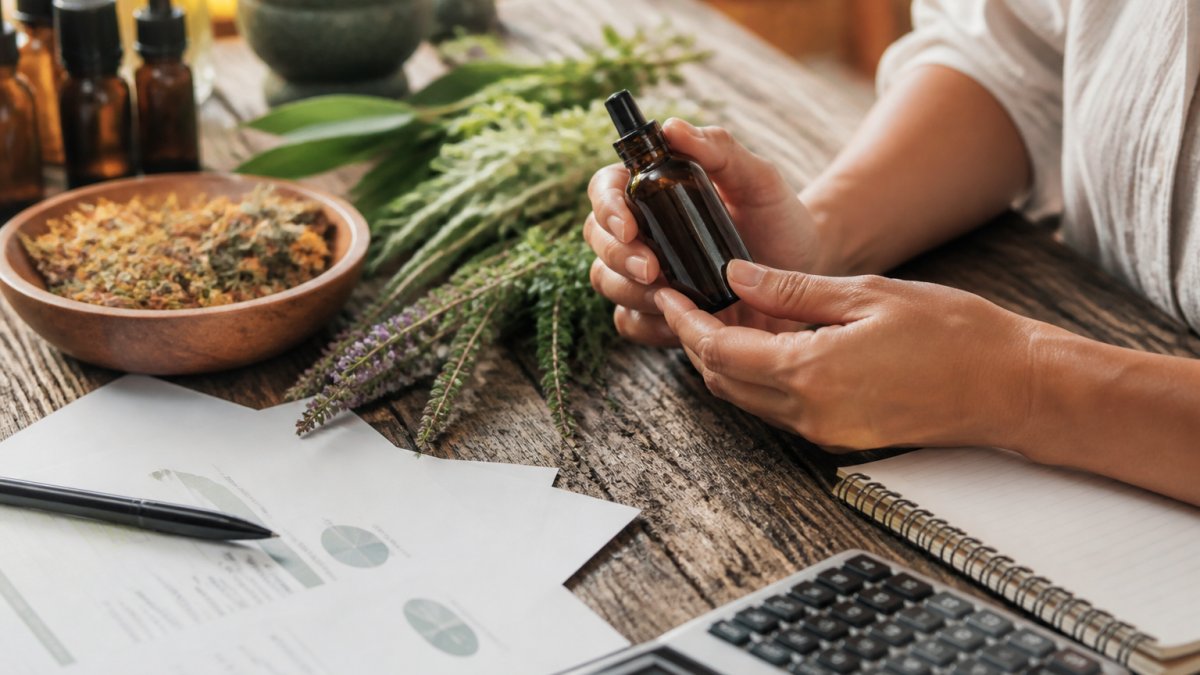
Four forces push the price of clean beauty products above their conventional counterparts:
- Ingredient sourcing - certified organic and traceable raw materials cost more per kilogram
- Testing and certification - third-party screening adds cost before a single unit sells
- Small-batch production - low volume means higher cost per unit
- Sustainable packaging - recyclable and refillable formats carry a premium
Each one compounds the next. A brand that skips any of them can charge less, but it is also cutting something real.
Ingredient Sourcing and Traceability
Sourcing is where the money starts disappearing. A conventional formulator can buy synthetic ingredients at commodity prices with no questions asked. A clean formulator needs plant-derived ingredients with a paper trail: who grew them, where, and how they were processed.
That is the farm-to-skin approach we take at Sunwood Growers, and it explains part of the price difference you see on the shelf.
Testing, Certification, and Quality Control
Every batch of a clean product typically needs microbial testing, stability testing, and ingredient screening before it can be sold. Certification bodies add another layer. None of this is optional if a brand wants to make honest claims, and none of it is free. A conventional mass-market product spreads these fixed costs across millions of units. A small maker spreads them across thousands.
Small-Batch Production and Manufacturing Scale
Manufacturing scale is the single biggest reason clean beauty costs more. Large factories buy in bulk, run continuous lines, and negotiate raw material prices down. Small-batch production does the opposite: shorter runs, more hands-on work, and less purchasing power. The trade-off is control. Small batches let a maker adjust a formula, catch a problem early, and keep quality consistent. That control is what you are paying for.
Sustainable Packaging and Supply Chain
Recyclable glass, refillable containers, and plastic-free shipping materials cost more than standard plastic bottles. Sustainable packaging also weighs more, which raises shipping costs. Supply chain variability adds another layer: when a single-origin botanical has a bad harvest, a small brand cannot simply swap in a cheaper substitute without changing the formula.
Clean Beauty Ingredient Sourcing: Why Quality Costs More
Clean beauty ingredient sourcing costs more because plant-derived ingredients are agricultural products, not lab-made chemicals. A synthetic emollient behaves identically every time. That variability is why quality control matters so much in this category, and why USDA organic certification standards exist to give buyers a verifiable benchmark.
Three sourcing realities drive the price:
- Certified organic raw materials cost more per kilogram than conventional equivalents
- Traceability requires supplier relationships and documentation that commodity buying does not
- Seasonal variability means brands must plan inventory around harvests, not demand
What most guides miss is that ingredient transparency is expensive to maintain. Publishing a full ingredient list with sourcing detail means a brand has to actually know where everything came from.
Clean Beauty vs Conventional Beauty: A Like-for-Like Price Comparison
A fair comparison looks at cost per use, not sticker price. Clean beauty vs conventional beauty is not simply expensive versus cheap; it is a trade between upfront cost and how long a product lasts, how much you need per application, and what you are avoiding. To make that trade visible, break the price of a single product into its cost categories and compare them side by side.
| Cost category | Conventional beauty | Clean beauty | Why the difference exists |
|---|---|---|---|
| Ingredient sourcing | Commodity synthetics at low per-kg prices | Certified organic or traceable botanicals at higher per-kg prices | Agricultural inputs vary by harvest; synthetics are uniform and cheap at scale |
| Testing and certification | Often minimal beyond regulatory minimums | Microbial, stability, and third-party screening per batch | Fixed costs spread across fewer units |
| Manufacturing scale | Continuous lines, millions of units | Small batches, thousands of units | Less purchasing power and more hands-on labor |
| Packaging | Standard plastic, high volume | Glass, refillable, or plastic-free formats | Heavier materials and lower order volumes |
| Marketing and retail | Mass advertising, broad distribution | Often direct-to-consumer or specialty retail | Different margin structures and channel costs |
| Shelf life and preservation | Cheap synthetic preservatives extend life for years | More expensive preservation systems, sometimes shorter life | Preservation cost and replacement frequency |
Where the Price Gap Comes From
The gap comes from production costs, not just brand positioning. A conventional product can use cheap synthetic preservatives that extend shelf life for years. A clean product relies on preservation systems that are more expensive and sometimes less forgiving. That difference shows up directly in the price. But it is not the only factor: ingredient sourcing, testing, and packaging each add their own layer. A brand that skips any of them can charge less, but it is also cutting something real.
Cost Per Use and Shelf Life
Cost per use is the honest metric. A concentrated clean serum that lasts three months can cost less per application than a watered-down conventional lotion you replace every six weeks.
To calculate cost per use, divide the price by the number of applications you realistically get. If a clean moisturizer costs $30 and lasts 60 applications, that is $0.50 per use. A conventional moisturizer at $15 that lasts 30 applications is also $0.50 per use.
Are Clean Beauty Products Worth It? An Evidence-Based Look
Clean beauty products are worth it when the specific product solves a specific problem for you, and not worth it when you are paying for a label alone. The category is not automatically better. The FDA's guidance on cosmetic labeling is a useful reminder that "natural" and "clean" are not legally defined terms in the same way "organic" is.
Ask three questions before paying a premium:
- Does the product avoid an ingredient you actually react to?
- Does the brand disclose its full ingredient list and sourcing?
- Does the product last long enough to justify the cost per use?
If the answer to all three is yes, the premium is doing real work. If not, you are paying for positioning.
How to Find Affordable Clean Beauty Products
Affordable clean beauty products exist, but finding them takes a shift in how you shop. The cheapest clean option is rarely the best one; the best value is usually a concentrated, well-preserved product from a maker who is honest about what is inside. The goal is not to avoid all premiums but to identify when a premium is not supported by meaningful differences.
Practical Ways to Reduce Spending
Start with the products you use daily and replace them one at a time. A single well-chosen moisturizer that works will save more over a year than a shelf of half-used experiments. Buying from small-batch makers directly, rather than through retail markup, also cuts cost without cutting quality. Sunwood Growers sells direct for exactly this reason.
Strategies that actually reduce spending:
- Buy concentrated formulas and use less per application. A serum or balm that requires a few drops per use often costs less per application than a lotion you apply liberally.
- Choose refillable or larger-format options where available. Refill pouches and bulk sizes reduce packaging cost per unit, and that saving is often passed on.
- Prioritize the products that sit on your skin longest. Moisturizers, serums, and body oils stay on the skin for hours; cleansers are rinsed off. Spend where contact time is highest.
- Skip the multi-step routines. Fewer, better products reduce total spend and reduce the chance of buying something you do not finish before it spoils.
- Look for makers who publish sourcing and testing details. Transparency is a signal that the premium is doing real work, not just funding lifestyle marketing.
- Consider lower-cost formats. Bar soaps, solid shampoos, and powder-to-liquid cleansers often cost less per use than their liquid counterparts because they use less water and lighter packaging.
When a Premium Is Not Supported by Meaningful Differences
Not every clean beauty premium is justified. A premium is not supported when the product's ingredient list is nearly identical to a cheaper conventional option, when the brand cannot explain its sourcing or testing, or when the only difference is packaging and lifestyle marketing. In those cases, you are paying for positioning, not production.
The honest test is whether a brand can explain its costs. A maker who talks about sourcing, testing, and batch size is usually paying the real premium. A brand that talks only about lifestyle is usually charging for positioning. Ask three questions before paying a premium:
- Does the product avoid an ingredient you actually react to?
- Does the brand disclose its full ingredient list and sourcing?
- Does the product last long enough to justify the cost per use?
If the answer to all three is yes, the premium is doing real work. If not, you are paying for positioning.
The Role of Brand Positioning and Luxury Pricing
Not every clean beauty premium is a production cost. Luxury pricing is real, and some brands charge more because the market expects them to. Brand positioning, retail markup, and marketing costs all sit on top of the genuine production premium.
The honest test is whether a brand can explain its costs. A maker who talks about sourcing, testing, and batch size is usually paying the real premium. A brand that talks only about lifestyle is usually charging for positioning.
Conclusion: Making Informed Choices About Clean Beauty Costs
The clean beauty premium is real, but it is not uniform, and the difference between an honest price and a markup comes down to transparency. Look for makers who can explain their sourcing, testing, and batch process, and judge cost per use rather than sticker price. Sunwood Growers makes natural, small-batch essentials for body, home, and pets, with a farm-to-skin philosophy and full ingredient honesty so you know exactly what you are paying for. Shop now and see the difference for yourself.
Frequently Asked Questions
Why are clean beauty products more expensive than conventional products?
Clean beauty products cost more because of higher ingredient sourcing standards, smaller production runs, stricter testing and certification, and sustainable packaging. Natural and plant-derived ingredients are often more expensive to source and have shorter shelf lives, requiring preservatives that meet clean standards. Small-batch production lacks economies of scale, and ethical sourcing and traceability add supply-chain costs. These factors combine to create a price premium over conventional beauty products.
Are clean beauty products worth the money?
Whether clean beauty products are worth it depends on your priorities. They offer ingredient transparency, fewer synthetic ingredients, and often support ethical sourcing and sustainable packaging. However, not all clean products perform better, and some luxury pricing reflects brand positioning rather than production costs. Look for certifications, transparent ingredient lists, and cost per use. If a product addresses your skin concerns and aligns with your values, the premium may be justified.
How can I find affordable clean beauty products?
To find affordable clean beauty products, focus on smaller brands that sell direct-to-consumer, look for refillable or multi-use formats, and compare cost per use rather than upfront price. Sales, subscription discounts, and starter kits can lower costs. Also check ingredient lists for transparency and certifications like USDA Organic, which signal quality without luxury markups. Small-batch, family-run businesses often offer better value than high-end department store brands.
Does ethical or sustainable sourcing increase the price of skincare?
Yes, ethical and sustainable sourcing increases skincare prices. Fair trade practices, organic certification, and traceability programs add costs at the farm and supplier level. Avoiding synthetic pesticides and ensuring fair labor wages raise raw material prices. Sustainable packaging, such as recyclable glass or compostable materials, also costs more than conventional plastic. These supply-chain investments are a significant reason clean beauty products carry a higher price tag.
0 comments